
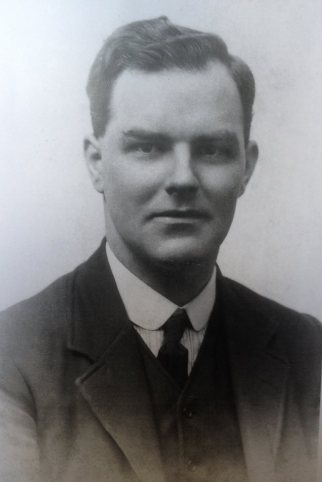
 This is a picture of Bert Brocklesby, South Yorkshire schoolteacher and Methodist preacher – one of 35 COs who were sent to France in 1916 and sentenced to death – simply for refusing to act against their consciences and take part in warfare.
They were reprieved at the last moment and given 10 years penal servitude instead. On International COs Day 2016, Bert’s granddaughter Jill Gibbon spoke movingly about Bert and the inspiration his story gives to her and all war-resisters.
Having been reading and writing about Bert and his fellow COs for the last four years, it was truly special for me meet his granddaughter. She gave me the picture of him, was displayed on the wall of Conway Hall for The Comrades in Conscience event on 25th May.


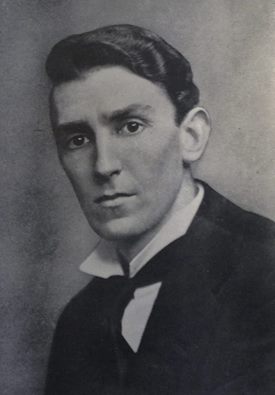 service. He served three prison sentences including many weeks of solitary confinement on bread and water diets, at the end of which he was a frail and emaciated thirty year old, who looked twice his age, weighed less than eight stone and was suffering from the onset of tuberculosis.
 herself to the cause of the conscientious objectors in WW1.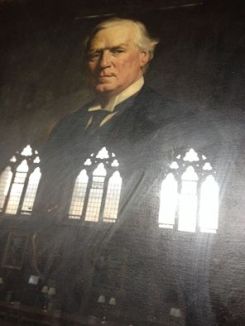
 fair treatment of COs during the war.
  Met this chap when touring with The Herbal Bed back in March. Didn’t see him in the audience, though.
