
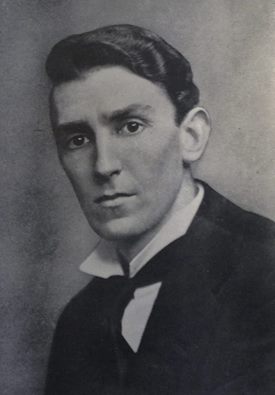
 This is a photo of Walter Roberts – the first conscientious objector to die during the First World War – just 20 years old. In a state of exhaustion, having already endured four months hard labour in prison, he died of pneumonia as he lay in a leaking tent in the pouring rain at Dyce work camp, near Aberdeen.
Fenner Brockway said: ‘To all of us, Walter Roberts’ life and death must be an inspiration.’ It helped close the camp at Dyce but achieved little else. Bert Brocklesby said of him – ‘A true martyr to the cause of peace and brotherhood.’

 service. He served three prison sentences including many weeks of solitary confinement on bread and water diets, at the end of which he was a frail and emaciated thirty year old, who looked twice his age, weighed less than eight stone and was suffering from the onset of tuberculosis.
 herself to the cause of the conscientious objectors in WW1.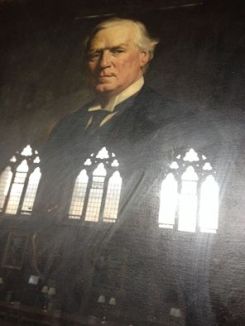
 fair treatment of COs during the war.
  Met this chap when touring with The Herbal Bed back in March. Didn’t see him in the audience, though.
 Michael Mears